01/10/14
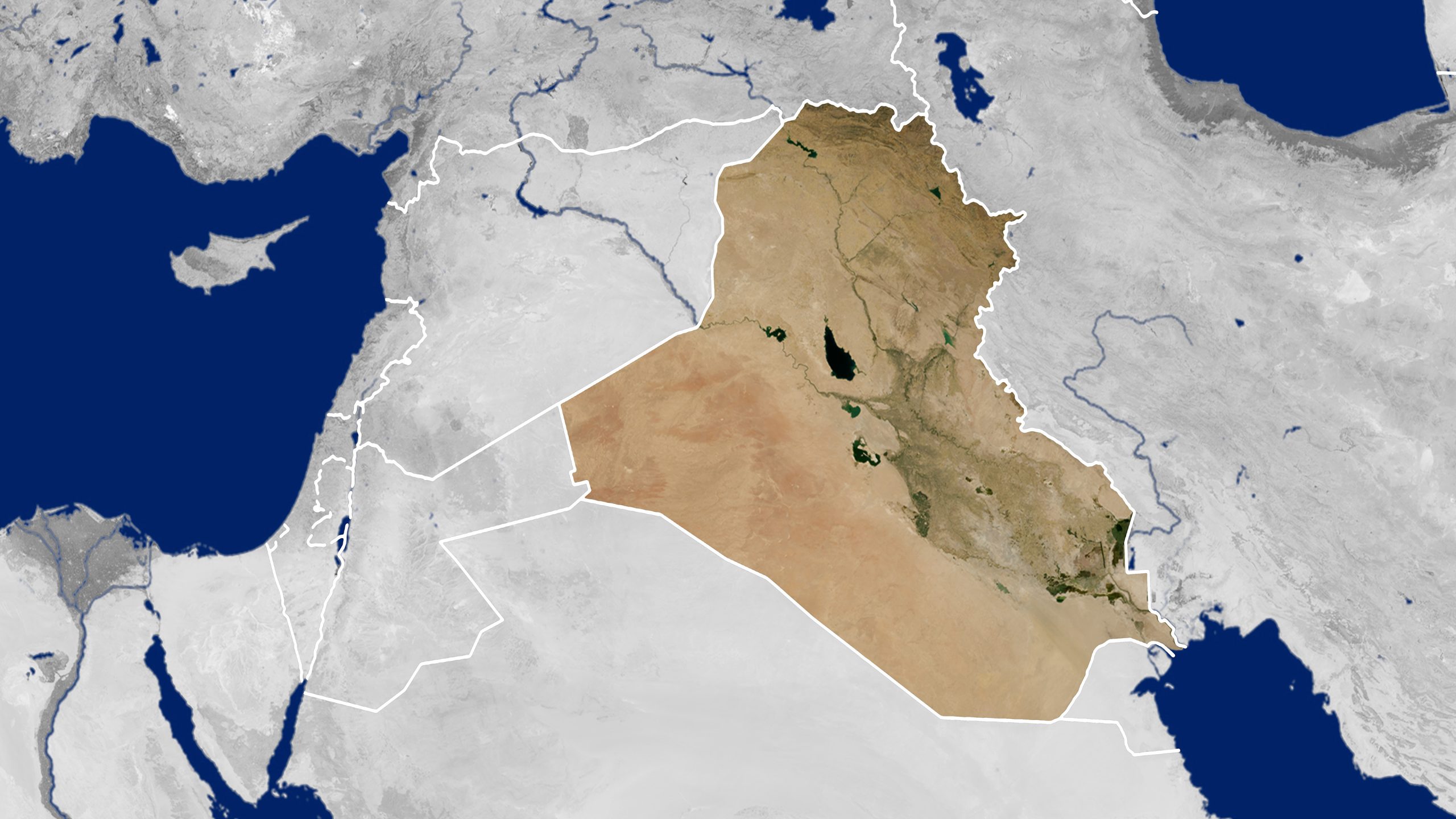
ORIENT IV 2014: Iraq
Read More

Ahrar al-Sham al-Nusra al-Qaeda Bashar al-Assad Caeser Act Civil Resistance Civil War Conflict Counter-Terrorism Democratic Union Party (PYD) Energy Sector Foreign Investment Free Syrian Army Hayat Tahrir al-Sham Humanitarian Aid Industrial Organisation Infrastructure Islamic State Jaish Khalid bin al-Walid Kurdish Groups Kurdistan Democratic Party (KDP) Kurdistan Workers’ Party (PKK) Land and Property Restitution Militarisation Operation Peace Spring People’s Protection Units (YPG) Post-War Recovery Rebel Groups Rebuild Syria Conference Reconstruction Refugees Sanctions Southeastern Anatolia Project Syrian Democratic Forces Turkish Strategy Uprising
Dr. Reidar Visser
This article deals with the ideological framework ('aqīda) of the ‘Islamic State’ (IS). It examines
both the group’s way of legitimizing its establishment by using certain Islamic conceptions of authority and the dichotomies within which the group positions itself, its adherents as well as opponents.